MIT Mysore

Computer Science & Engineering (Data Science)

Document

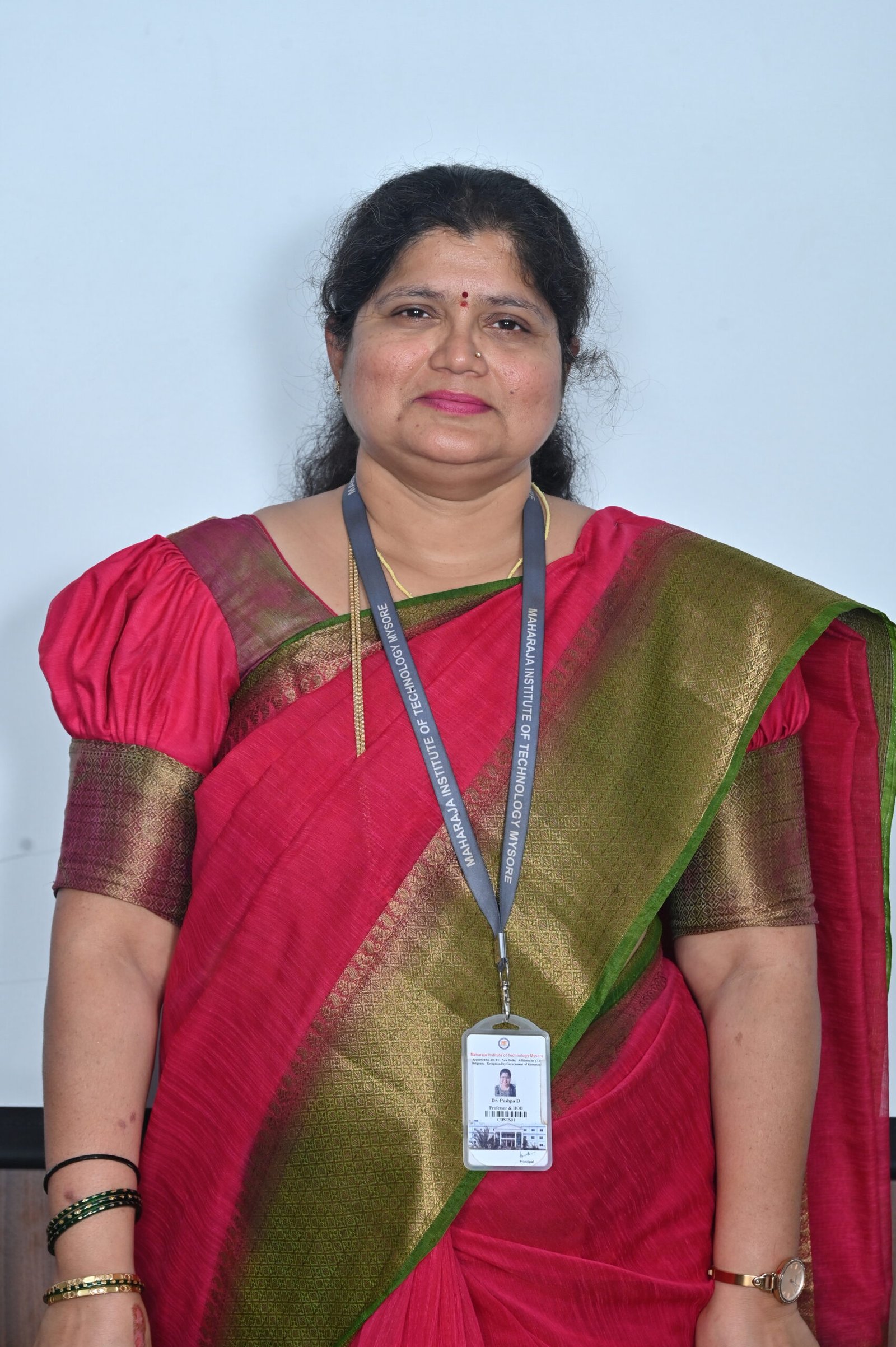
Dr. PUSHPA D

HOD

Department of Computer Science & Engineering (Data Science)

Vission and Mision

Vision

To be recognized as a leading data science program that excels in education, groundbreaking research, and a strong entrepreneurial spirit to address real world challenges.

Mission

  • To equip students with a structured and systematic education in the field of Data Science, fostering comprehensive knowledge and practical skills through a dedicated teaching and learning process, guided by experienced mentors and built through professional exposure.
  • To advance innovative research in Computer science and Engineering (data science), focusing on solving complex problems across various disciplines such as science, engineering, and management.
  • To foster entrepreneurial and ethical practices through strong institute-industry collaborations and active alumni engagement.

Rank Holder and Placements

Department Intake

Academic YearSanctioned IntakeAdmitted Students
RegularLateralRegularLateral
2023-2024606615
2024-2025606585

ABOUT THE DEPARTMENT

The Department of Computer Science and Engineering (Data Science) at Maharaja Institute of Technology, Mysore, was established in 2022 with an approved intake of 60 students. The department is committed to providing high-quality education in data science, focusing on academic excellence, skill development, and ethical practices. It aims to nurture competent professionals capable of addressing real-world challenges through data-driven solutions.

The department is supported by well-qualified and experienced faculty members who actively contribute to teaching, research, and professional development. Regular conferences, workshops, seminars, and technical talks are organized to keep students updated with the latest advancements in data science and related technologies. The curriculum is complemented by expert guest lectures from academia and industry, ensuring students gain exposure to current industry practices and emerging trends.

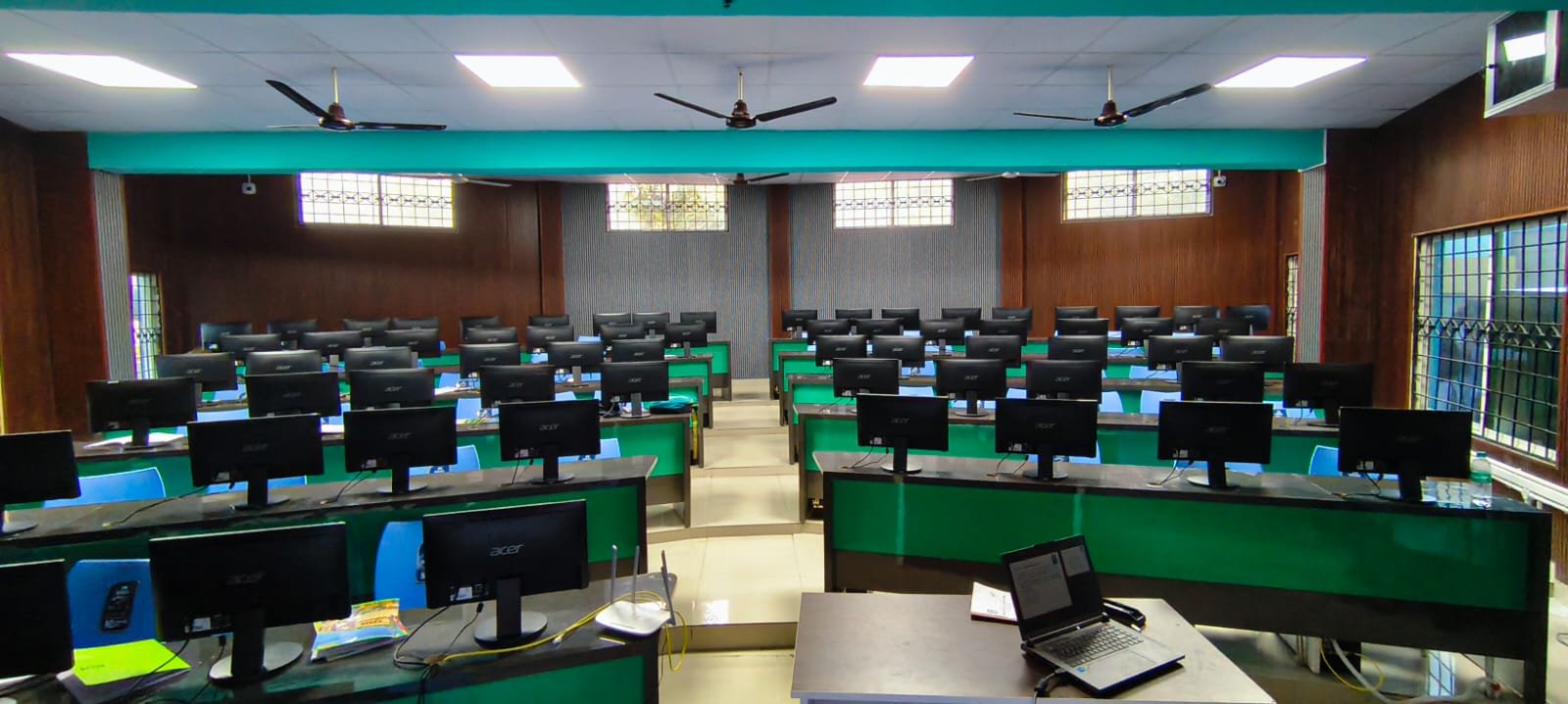
To support experiential learning and research, the department is equipped with state-of-the-art laboratories that meet the standards prescribed by AICTE and VTU Belagavi. These modern facilities enable hands-on training, project development, and research activities. Through a balanced blend of theory, practical learning, and industry interaction, the department strives to prepare students for successful careers and higher studies in the field of data science.

PEO1: Capable of building a robust foundation in the fields of computer science and data science domains.

PEO2: Be able to actively engage in cutting-edge research, apply data science methodologies to solve real-world problems, and demonstrate a commitment to continuous learning and professional growth.

PEO3: Graduates will lead ethically, collaborate effectively, and drive innovation in multidisciplinary teams, contributing to societal and technological progress.

PO1: Engineering Knowledge: Apply knowledge of mathematics, science, engineering fundamentals, and an engineering specialization to the solution of complex engineering problems.

PO2: Problem Analysis: Identify, formulate, research literature, and analyze complex engineering problems reaching substantiated conclusions using first principles of mathematics, natural sciences, and engineering sciences.

PO3: Design/Development of Solutions: Design solutions for complex engineering problems and design system components or processes that meet specified needs with appropriate consideration for public health, safety, cultural, societal, and environmental considerations.

PO4: Conduct Investigations of Complex Problems: Use research-based knowledge and research methods, including design of experiments, analysis and interpretation of data, and synthesis of information to provide valid conclusions.

PO5: Modern Tool Usage: Create, select, and apply appropriate techniques, resources, and modern engineering and IT tools, including prediction and modeling, to complex engineering activities.

PO6: The Engineer and Society: Apply reasoning informed by contextual knowledge to assess societal, health, safety, legal, and cultural issues and the consequent responsibilities relevant to professional engineering practice.

PO7: Environment and Sustainability: Understand the impact of professional engineering solutions in societal and environmental contexts, demonstrating knowledge of and need for sustainable development.

PO8: Ethics: Apply ethical principles, commit to professional ethics, responsibilities, and norms of engineering practice, including inclusive practice and equity.

PO9: Individual and Team Work: Function effectively as an individual and as a member or leader in diverse teams and in multidisciplinary settings.

PO10: Communication: Communicate effectively on complex engineering activities with the engineering community and society at large, such as being able to comprehend and write effective reports, design documentation, and make effective presentations.

PO11: Project Management and Finance: Demonstrate knowledge and understanding of engineering and management principles and apply these to one’s own work, as a member and leader in a team, to manage projects in multidisciplinary environments.      

PSO1: Apply solid foundation in computer science and data science principles, enabling the design, development, and implementation of data-driven solutions for complex engineering challenges.

PSO2: Analyse ,Design, implement, and apply data-centric techniques, including machine learning, data mining, and statistical analysis, to solve real-world problems across various domains, while maintaining professional and ethical standards in communication and conduct.

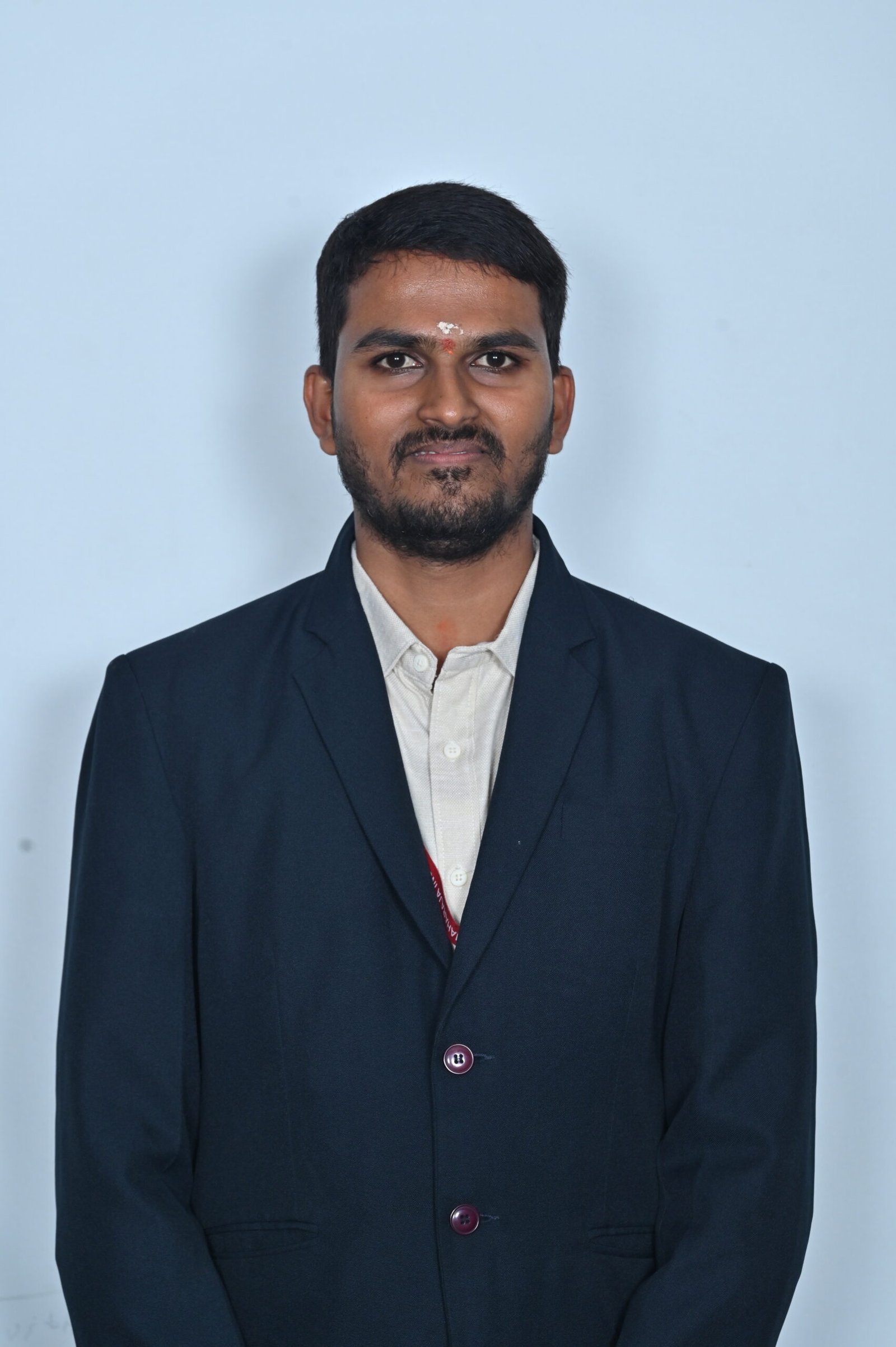
Dr. Pushpa D

Dr. Pushpa D

Professor and Head

BE M.Tech PhD

Prof. Deepthi N

Prof. Deepthi N

Assistant Professor

BE MTech

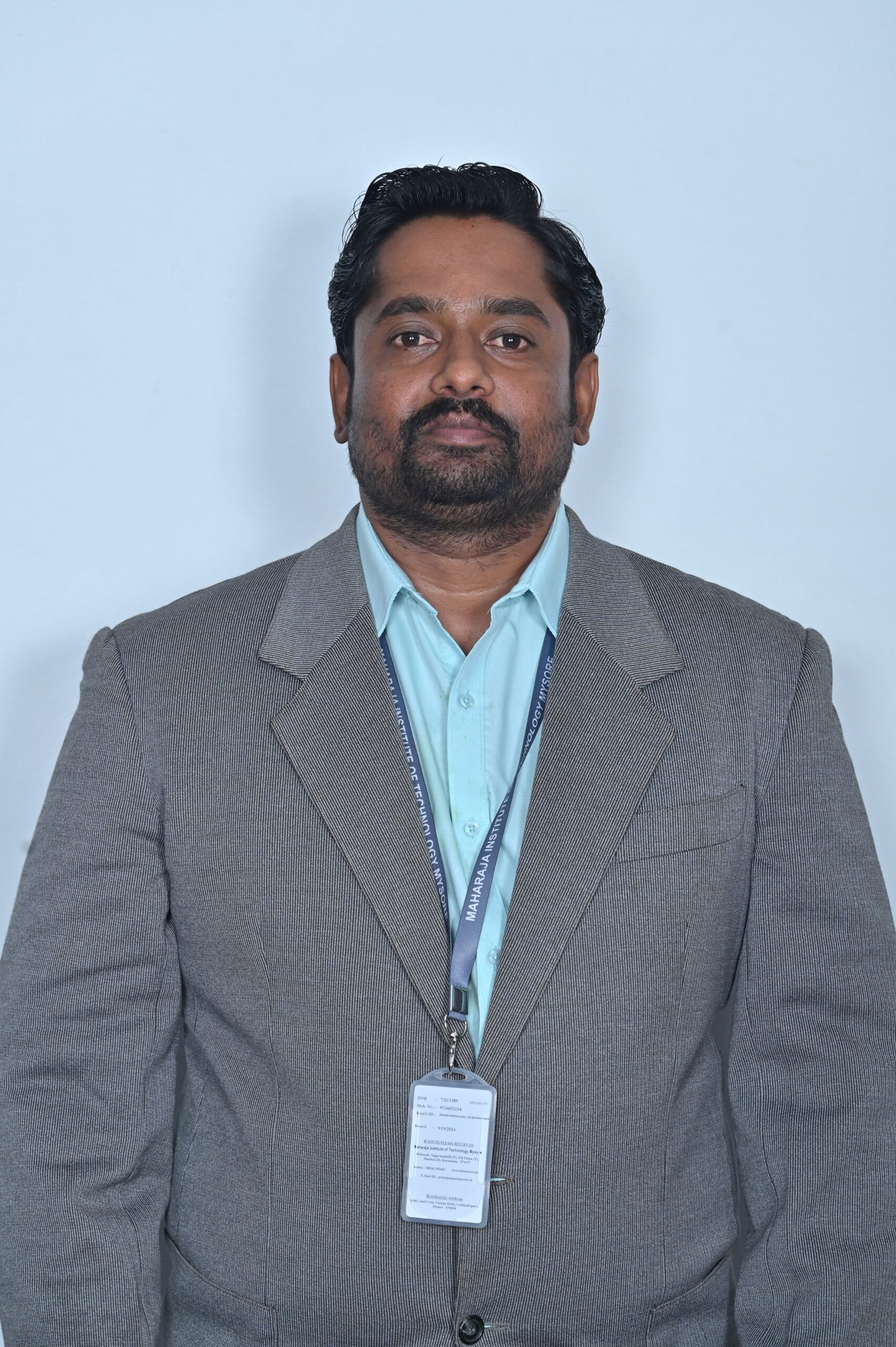
Prof. Chandrashekara M S

Prof. Chandrashekara M S

Assistant Professor

BE M.Tech

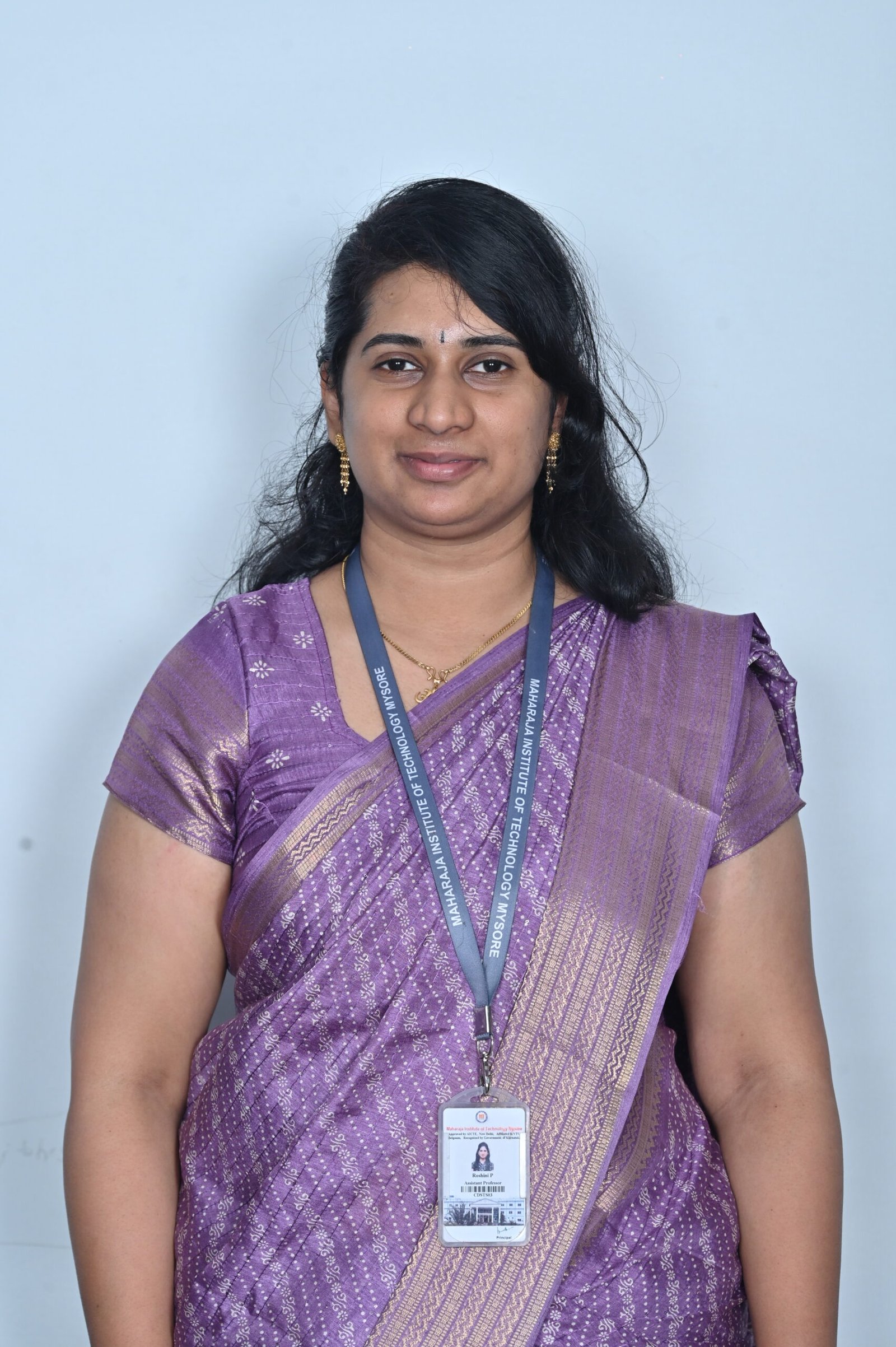
Prof. Roshini P

Prof. Roshini P

Assistant Professor

BE M.Tech

Prof. Shalini M C

Prof. Shalini M C

Assistant Professor

BE M.Tech

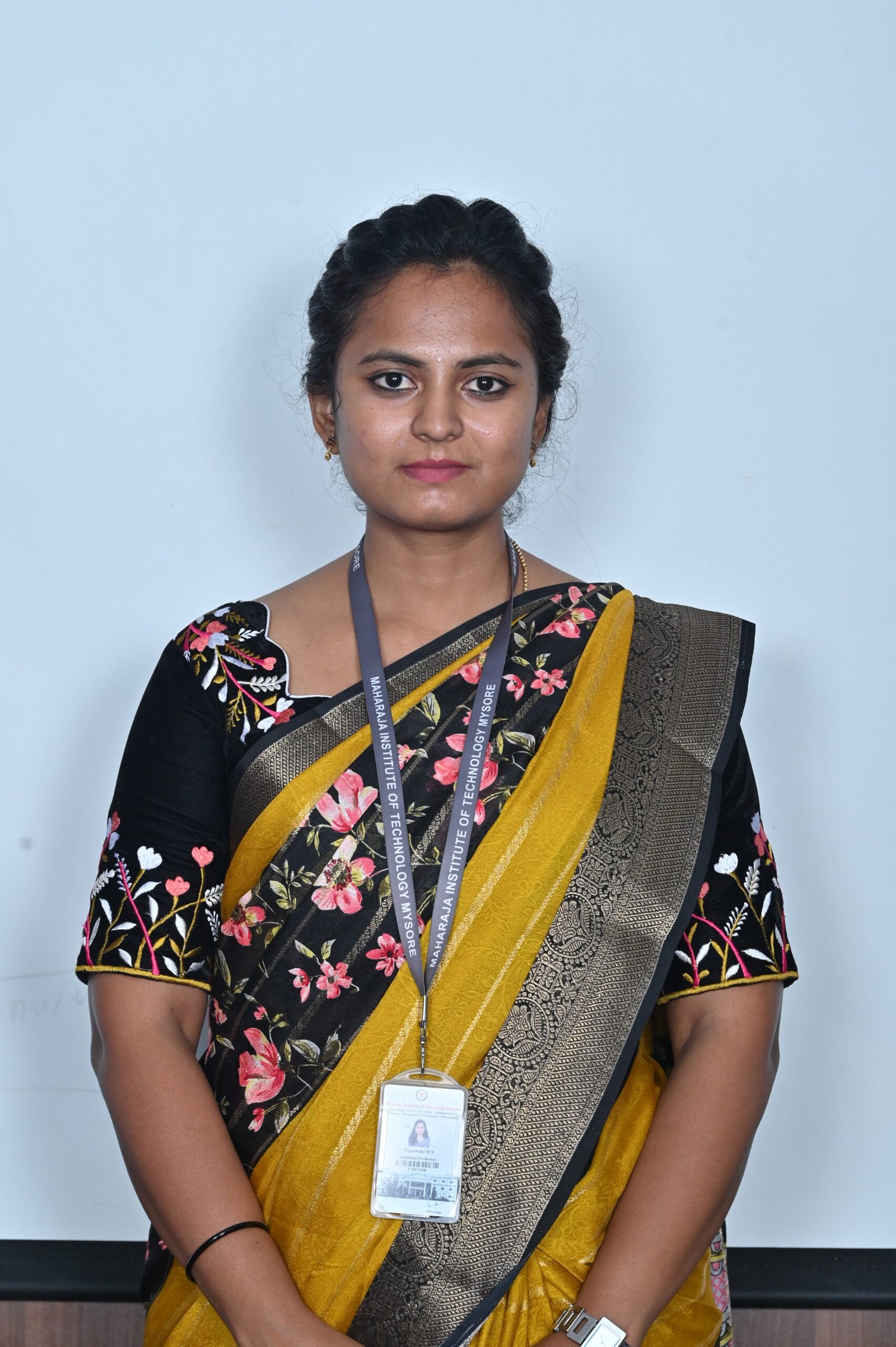
Prof. Tejaswini H S

Prof. Tejaswini H S

Assistant Professor

BE M.Tech

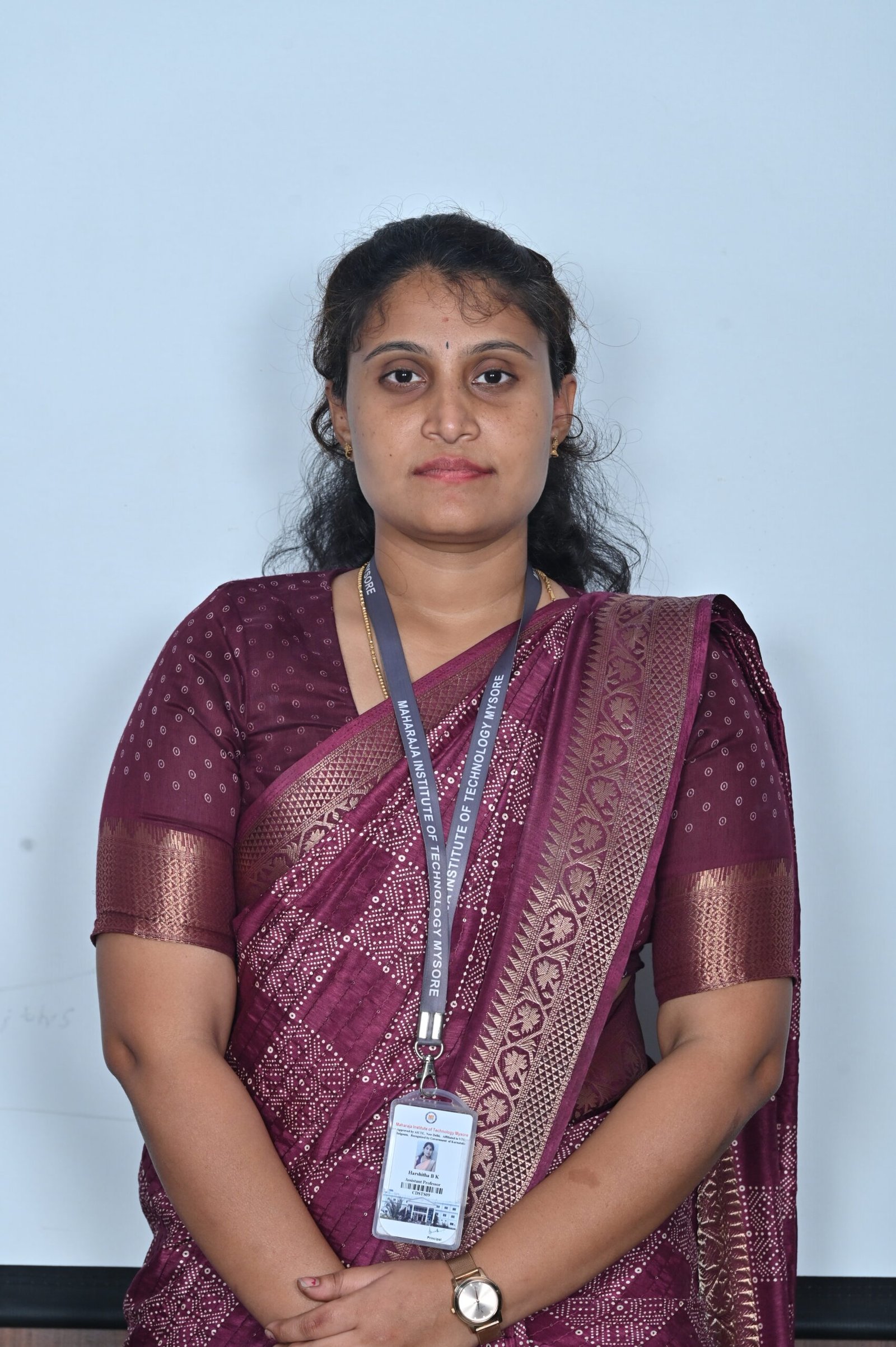
Prof. Harshitha B K

Prof. Harshitha B K

Assistant Professor

BE M.Tech

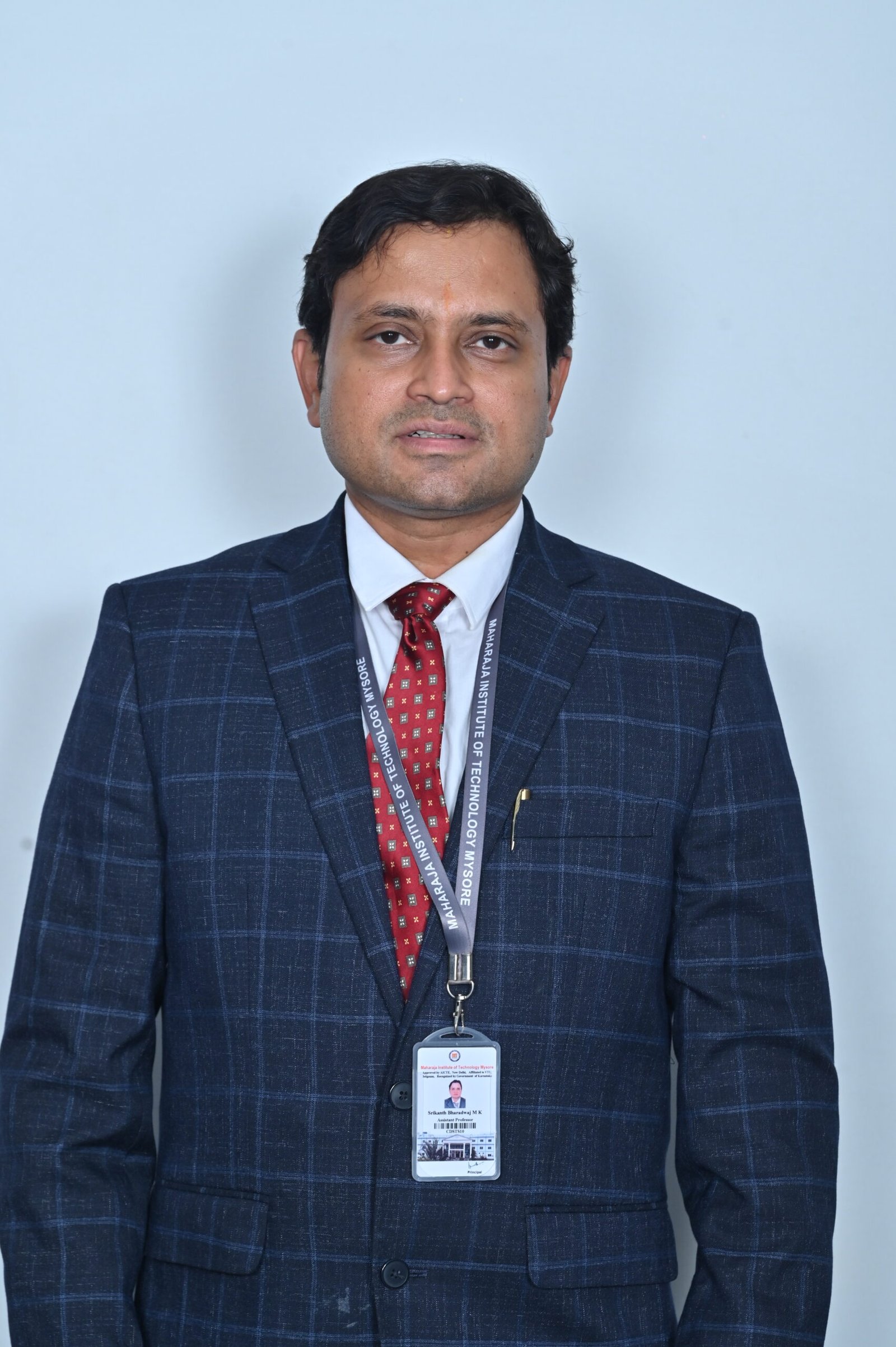
Prof. Srikanth Bharadwaj M K

Prof. Srikanth Bharadwaj M K

Assistant Professor

BE MS IIIT IIT

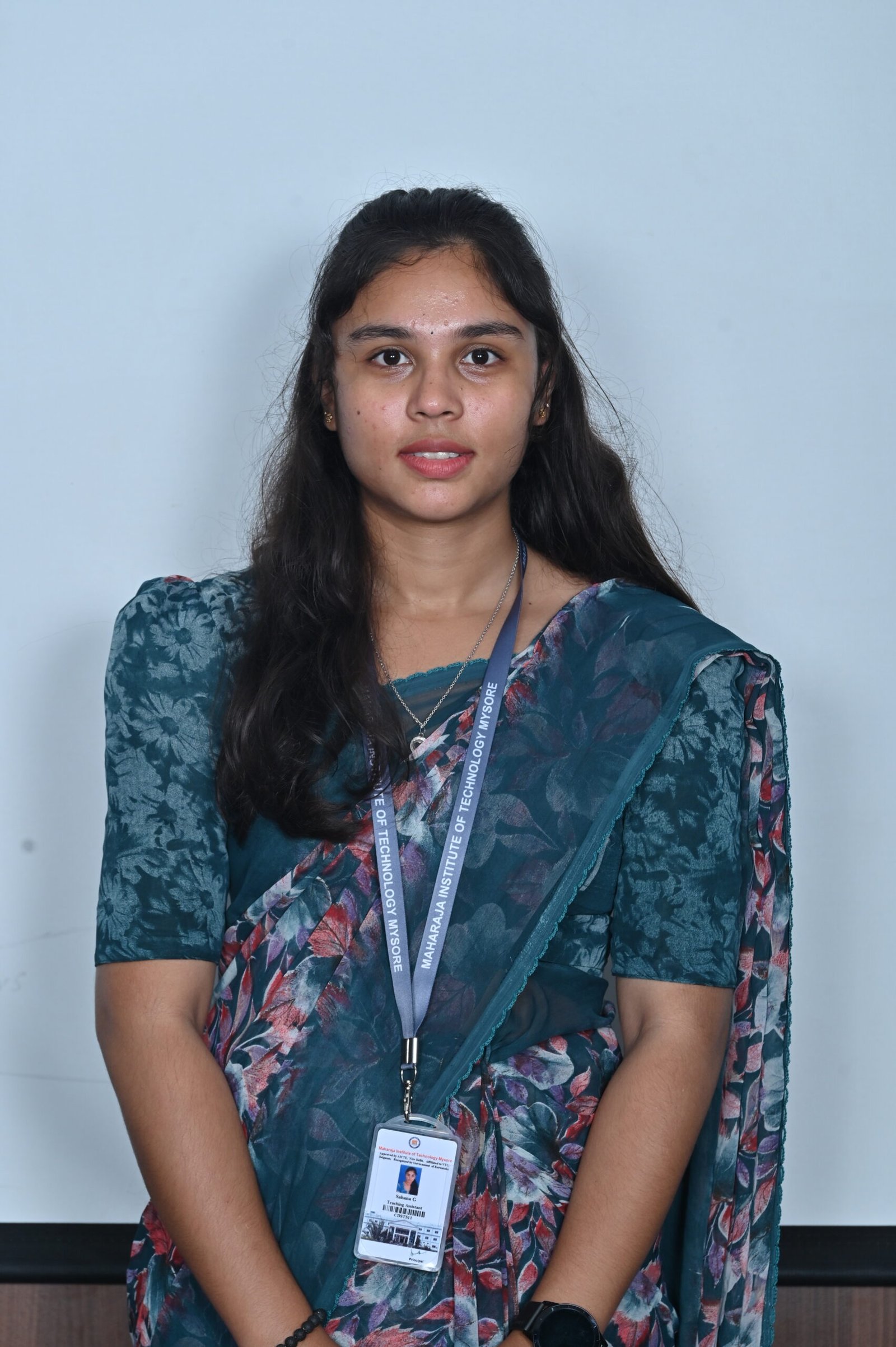
Prof. Sahana G

Prof. Sahana G

Teaching Assistant

BE

Mr. Prashanth B

Mr. Prashanth B

Lab Instructor

BE

Result Analysis
5th Semester 2023-24

Powered By EmbedPress

Powered By EmbedPress

Powered By EmbedPress

Dhanawathri_mou

Powered By EmbedPress

Powered By EmbedPress

Powered By EmbedPress

Powered By EmbedPress

Powered By EmbedPress

Powered By EmbedPress

2024-2025
Scroll to Top