MIT Mysore

Physics

Document

Dr. Vijaylakshmi Dayal

HOD

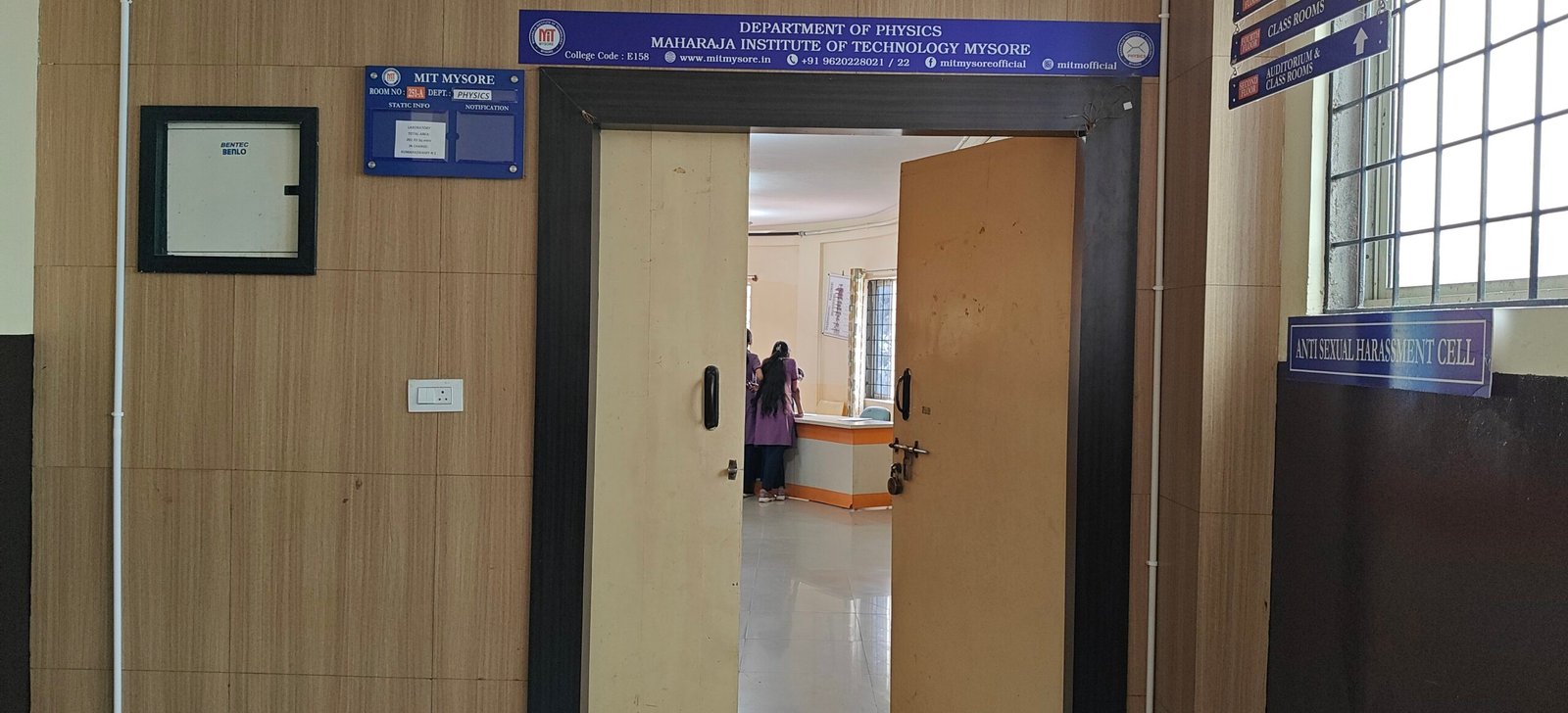
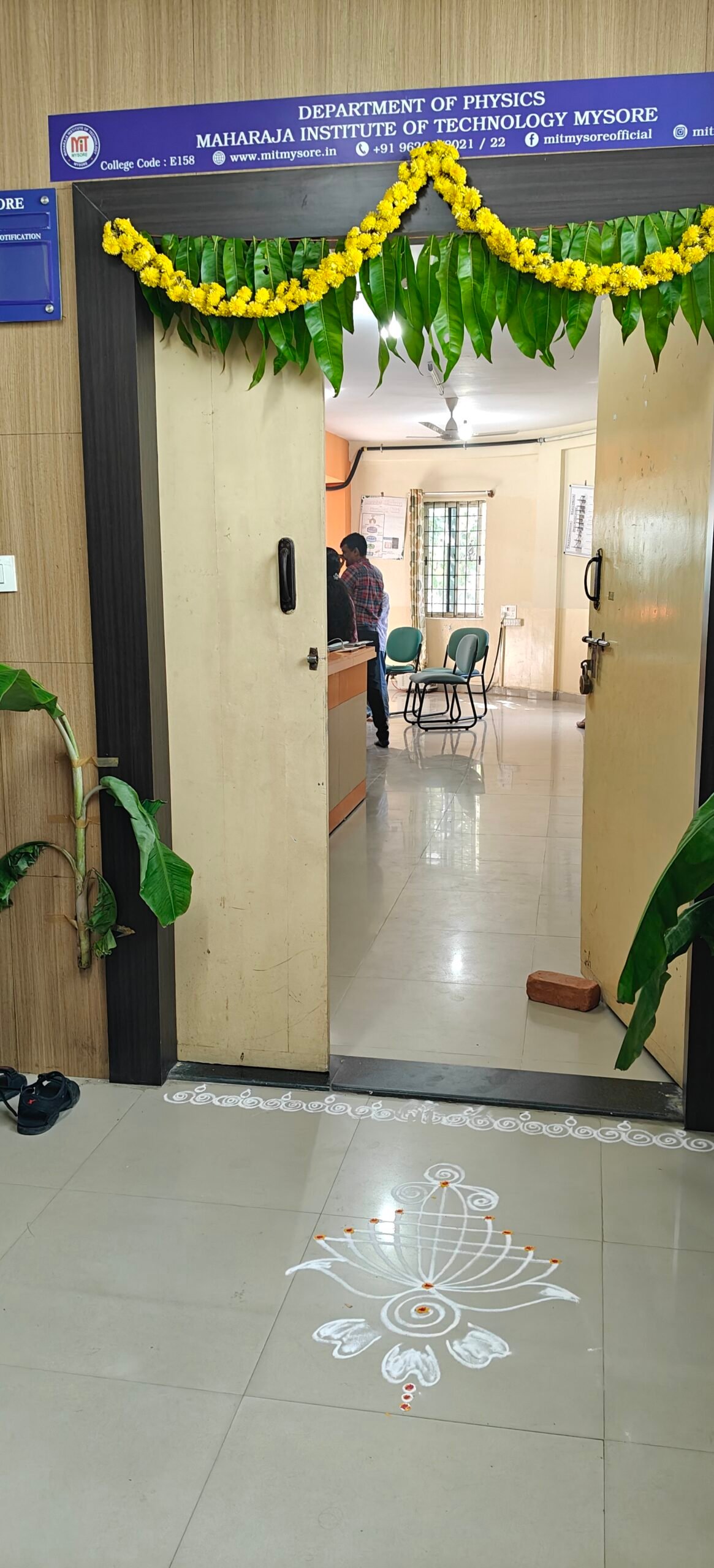
Department of Physics

Vission and Mision

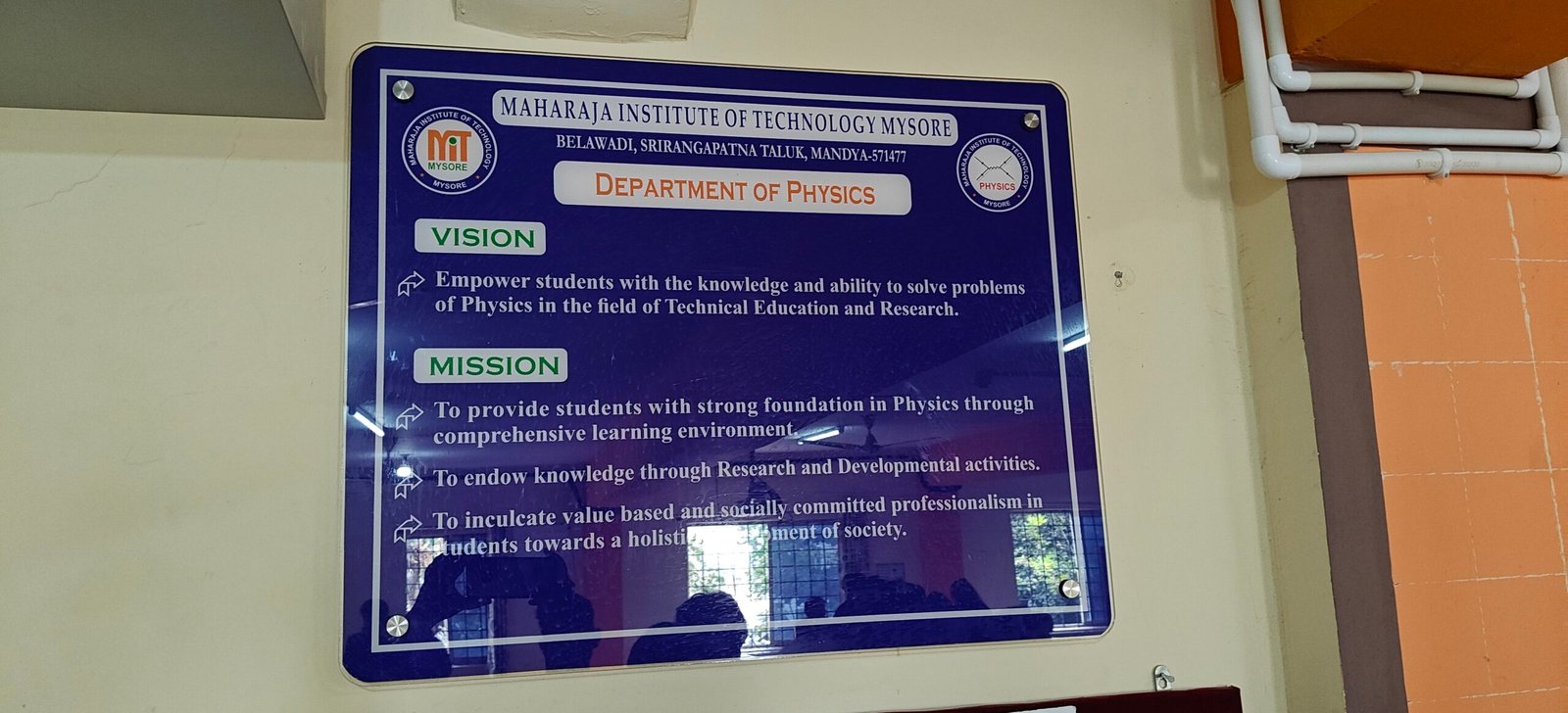
Vision

Empower students with the knowledge and ability to solve problems of Physics in the field of Technical Education and Research.

Mission

  • To provide students with strong foundation in Physics through comprehensive learning environment.
  • To endow knowledge through Research and Developmental activities.
  • To inculcate value based and socially committed professionalism in students towards a holistic development of society
  • .

    ABOUT THE DEPARTMENT

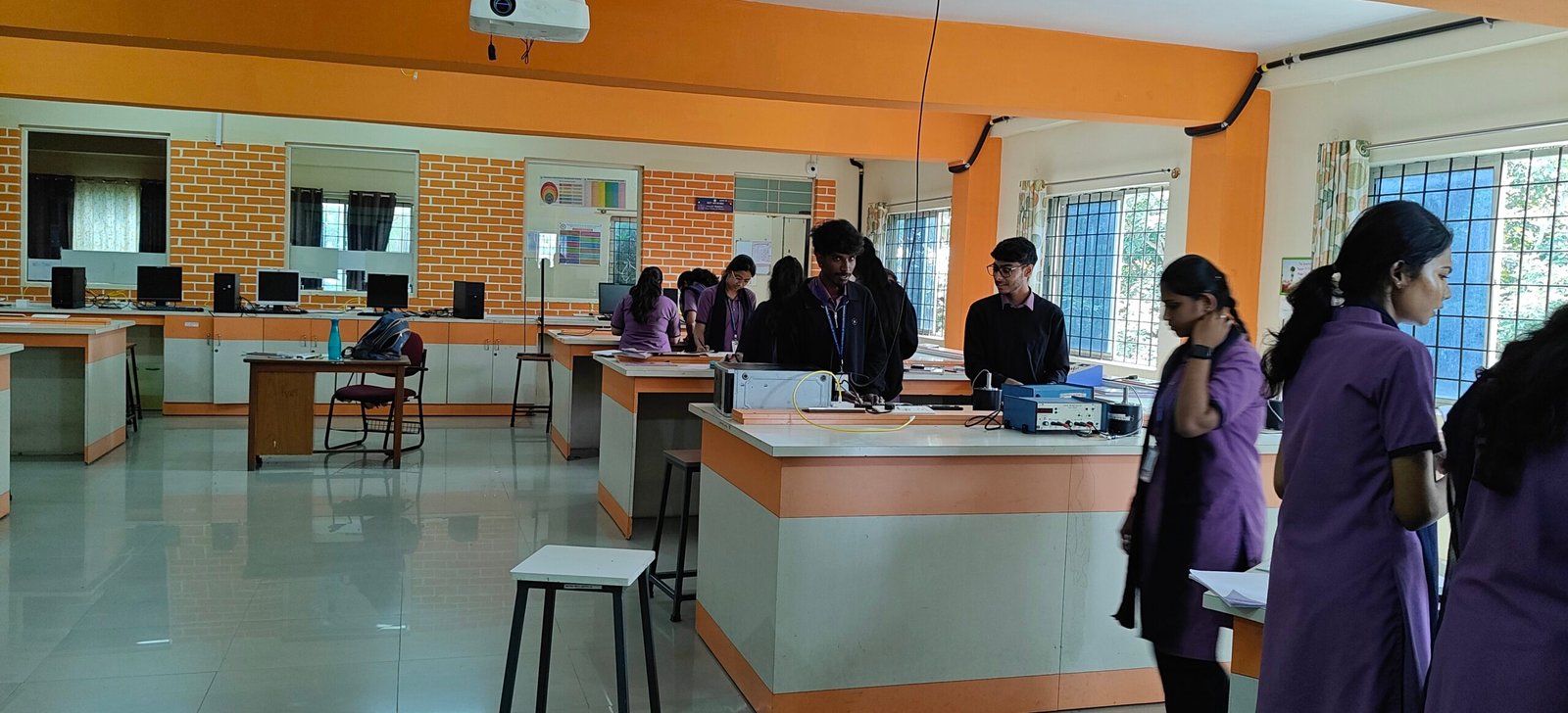
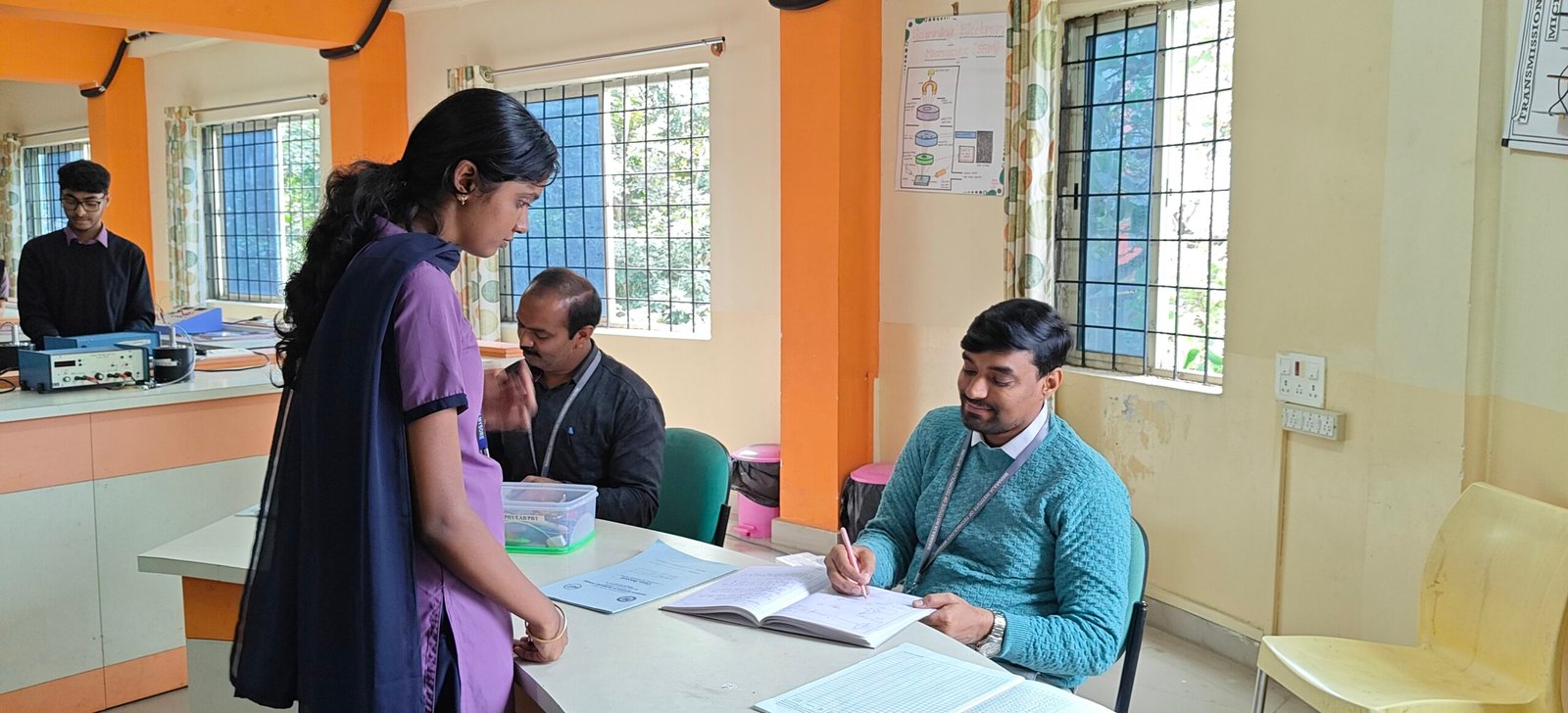
    The Department of Physics, established in 2007, provides the basic foundation course, Engineering Physics, a fundamental for any Engineering Stream. The department has a well-established laboratory to accommodate thirty students in a batch. The department has highly qualified and dedicated faculty members with specialization in Condensed Matter Physics and Nuclear Physics.

    The Department relishes the pleasure of being one of the leading research departments in the institution. It has been duly recognized as a Research Centre by Visvesvaraya Technological University (VTU), Belagavi for conducting Ph.D. program. An Advanced Research Center has been established in the year 2011 and upgraded further with the sponsored research grant and support of DAE-BRNS, Mumbai, UGC-DAE-CSR, Indore, SERB-DST, New Delhi and MRF-MIT Mysore. The research center is equipped with state-of-the-art research equipment for the growth of oxides material both in bulk and nanoparticle. The establishment of low temperature lab for electrical and magnetic measurements is in progress. Department also have well established collaboration with national and international advanced research lab for characterization.

    Till date department has received Four(Two completed) major sponsored research projects worth Rs. 65 lakhs. At present Five (5) Research Scholars are pursuing Ph.D. and one (4) awarded with Ph.D. degree. The faculty members and research scholars have published research papers in high impact peer reviewed journals and conferences of national and international repute. The faculty members and research scholars also visit various national and international laboratories frequently for acquaintance of expertise in their field of research.

    PO1: Engineering Knowledge: Apply knowledge of mathematics, science, engineering fundamentals, and an engineering specialization to the solution of complex engineering problems.

    PO2: Problem Analysis: Identify, formulate, research literature, and analyze complex engineering problems reaching substantiated conclusions using first principles of mathematics, natural sciences, and engineering sciences.

    PO3: Design/Development of Solutions: Design solutions for complex engineering problems and design system components or processes that meet specified needs with appropriate consideration for public health, safety, cultural, societal, and environmental considerations.

    PO4: Conduct Investigations of Complex Problems: Use research-based knowledge and research methods, including design of experiments, analysis and interpretation of data, and synthesis of information to provide valid conclusions.

    PO5: Modern Tool Usage: Create, select, and apply appropriate techniques, resources, and modern engineering and IT tools, including prediction and modeling, to complex engineering activities.

    PO6: The Engineer and Society: Apply reasoning informed by contextual knowledge to assess societal, health, safety, legal, and cultural issues and the consequent responsibilities relevant to professional engineering practice.

    PO7: Environment and Sustainability: Understand the impact of professional engineering solutions in societal and environmental contexts, demonstrating knowledge of and need for sustainable development.

    PO8: Ethics: Apply ethical principles, commit to professional ethics, responsibilities, and norms of engineering practice, including inclusive practice and equity.

    PO9: Individual and Team Work: Function effectively as an individual and as a member or leader in diverse teams and in multidisciplinary settings.

    PO10: Communication: Communicate effectively on complex engineering activities with the engineering community and society at large, such as being able to comprehend and write effective reports, design documentation, and make effective presentations.

    PO11: Project Management and Finance: Demonstrate knowledge and understanding of engineering and management principles and apply these to one’s own work, as a member and leader in a team, to manage projects in multidisciplinary environments.           

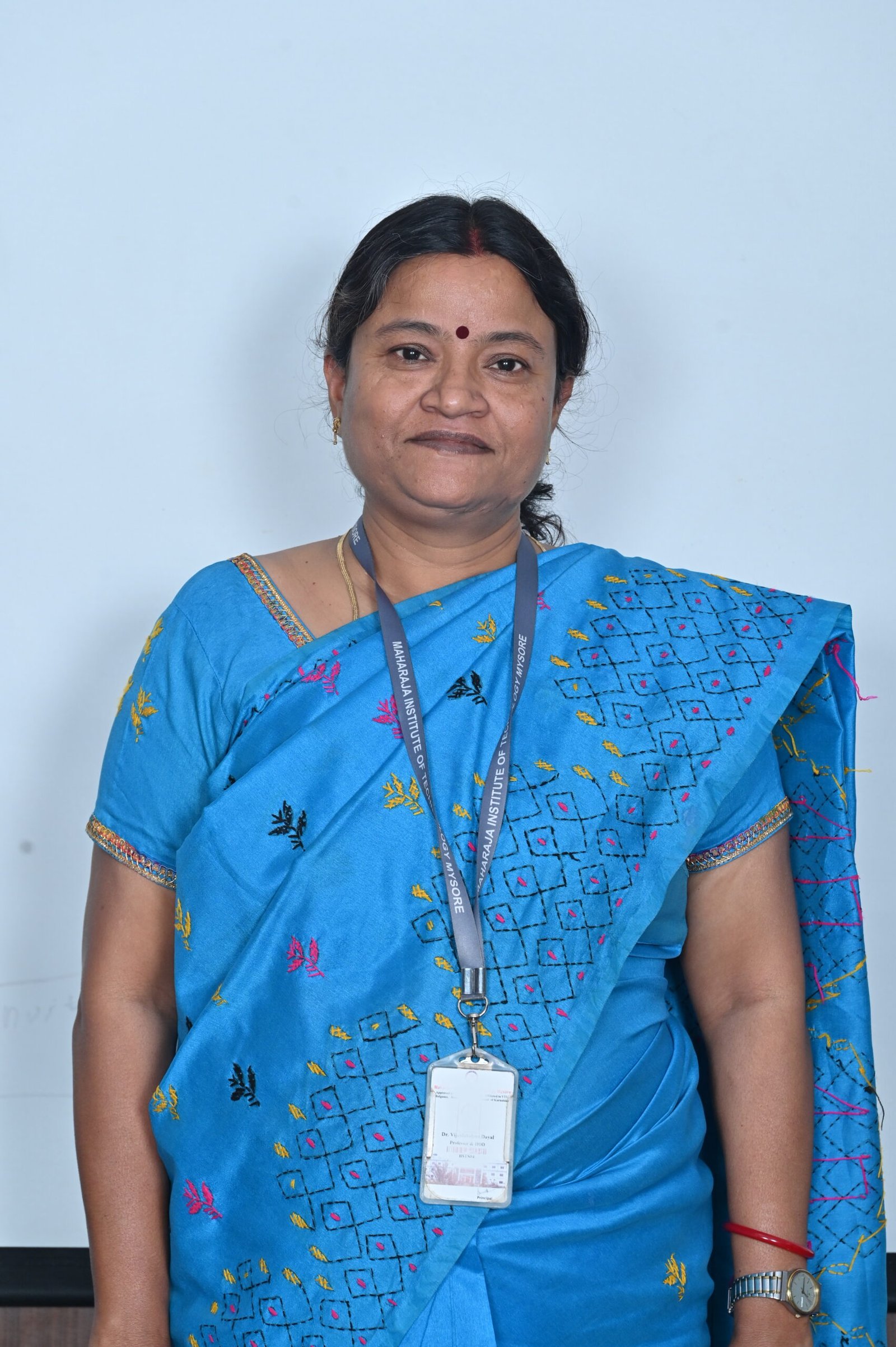
    Dr. Vijaylakshmi Dayal

    Dr. Vijaylakshmi Dayal

    Head and Professor

    M.Sc., Ph.D

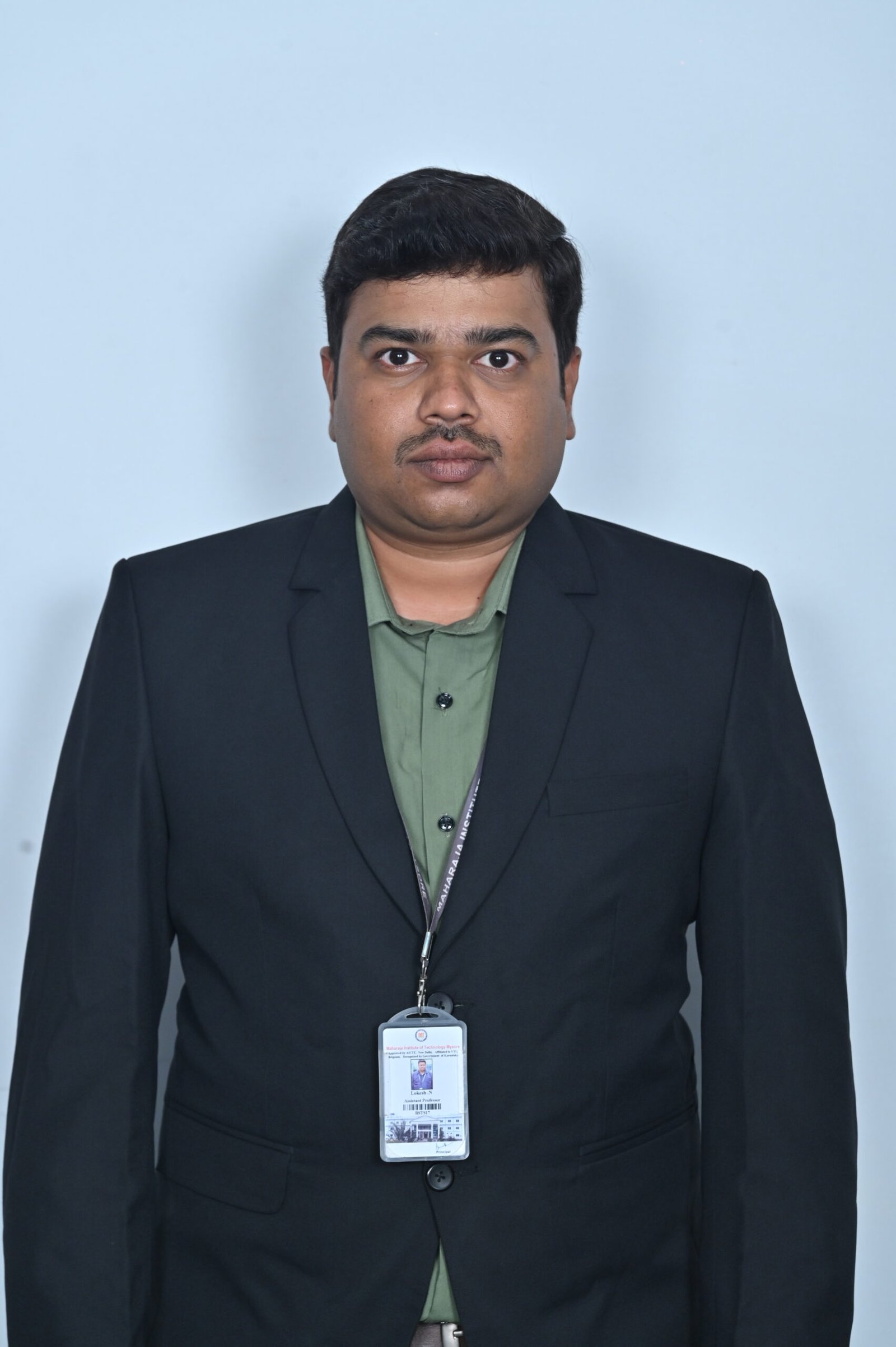
    Mr. Lokesh N

    Mr. Lokesh N

    Assistant Professor

    M.Sc

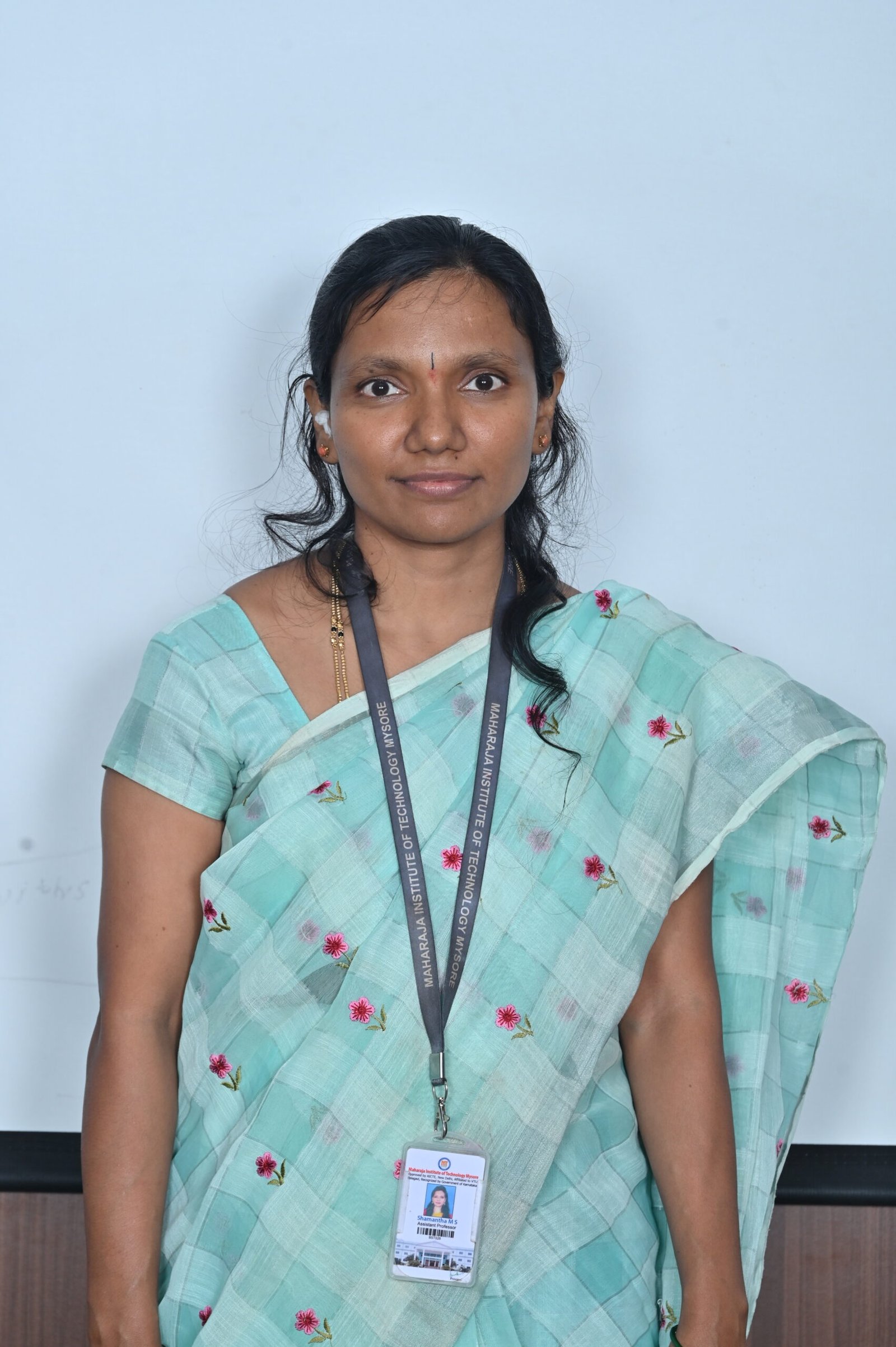
    Mrs. Shamantha M S

    Mrs. Shamantha M S

    Assistant Professor

    M.Sc (KSET)

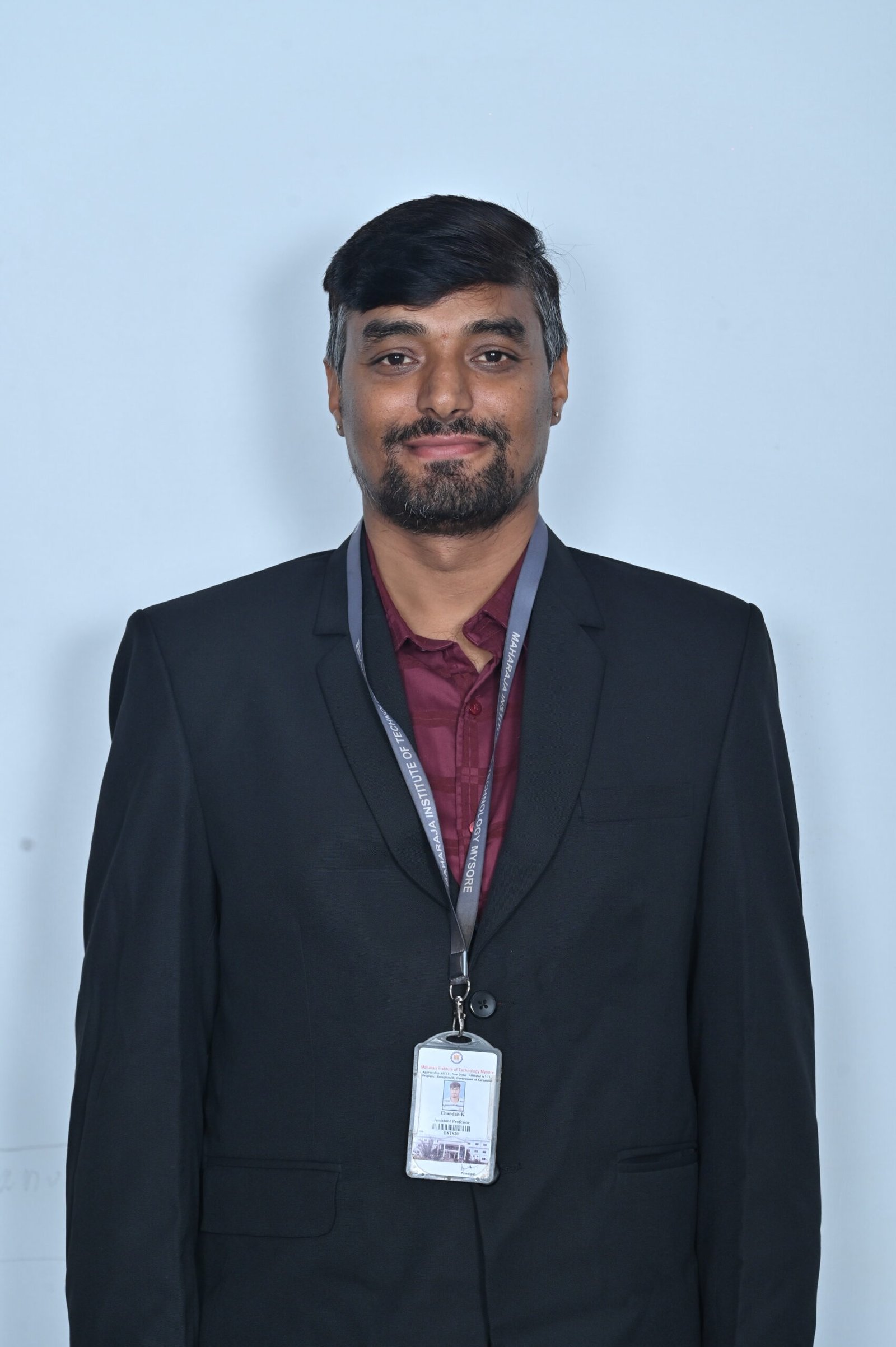
    Mr. Chandan K

    Mr. Chandan K

    Assistant Professor

    M.Sc

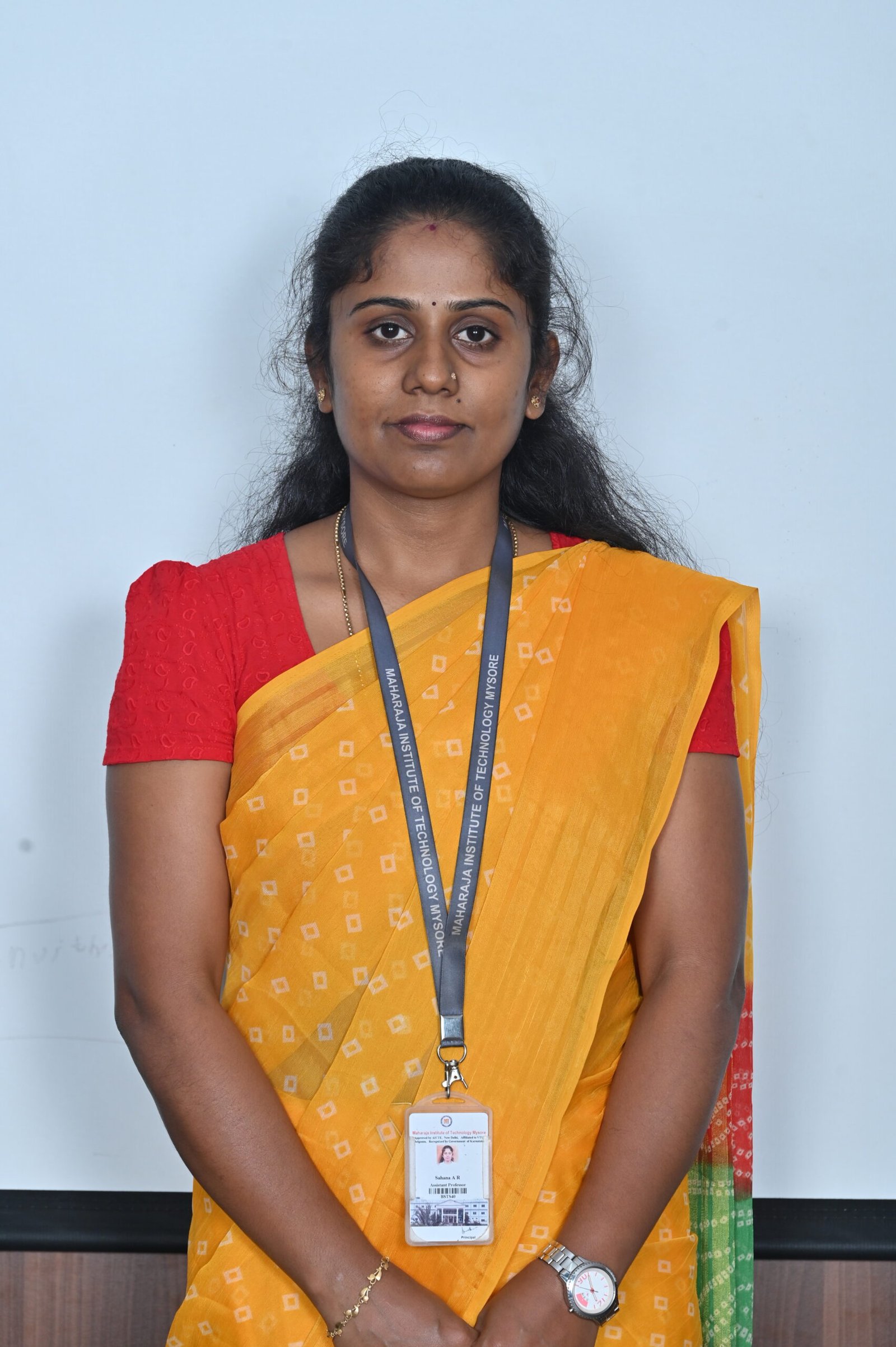
    Mrs. Sahana A R

    Mrs. Sahana A R

    Assistant Professor

    M.Sc

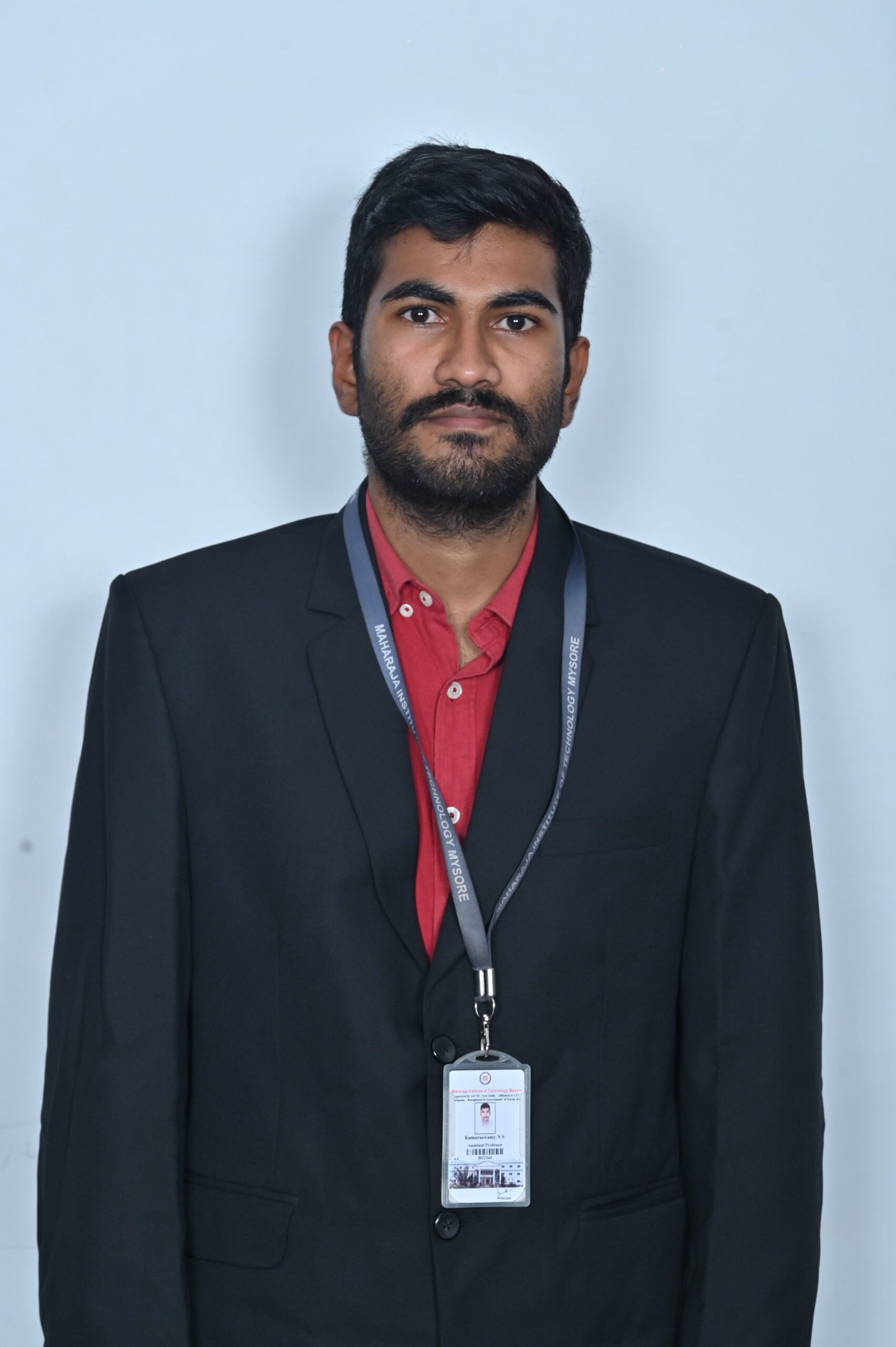
    Mr. Kumaraswamy N S

    Mr. Kumaraswamy N S

    Assistant Professor

    M.Sc

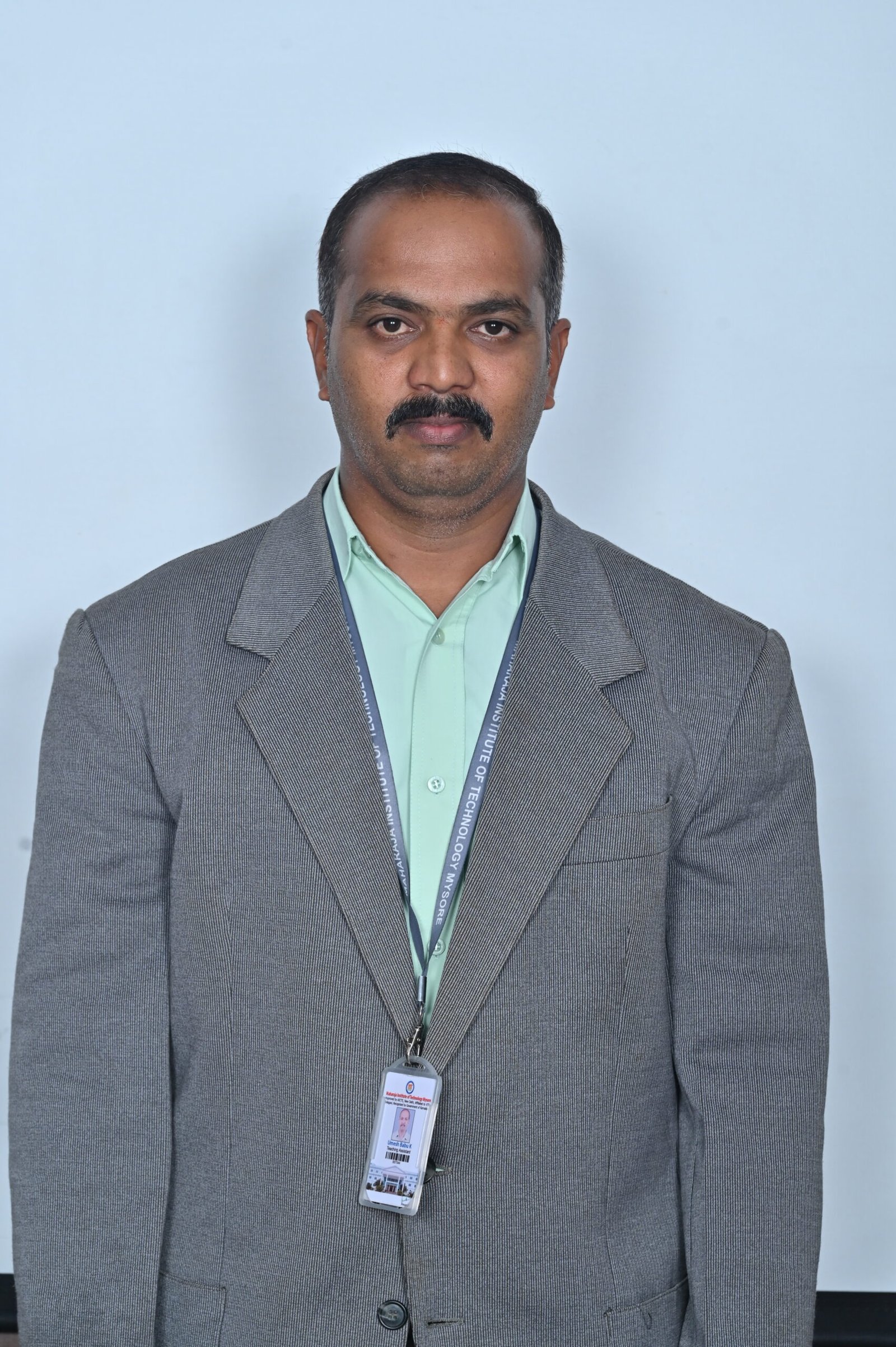
    Mr. Umesh Babu K

    Mr. Umesh Babu K

    Assistant Professor

    M.Sc

    Powered By EmbedPress

    Powered By EmbedPress

    Powered By EmbedPress

    Scroll to Top